
Ductor Testing
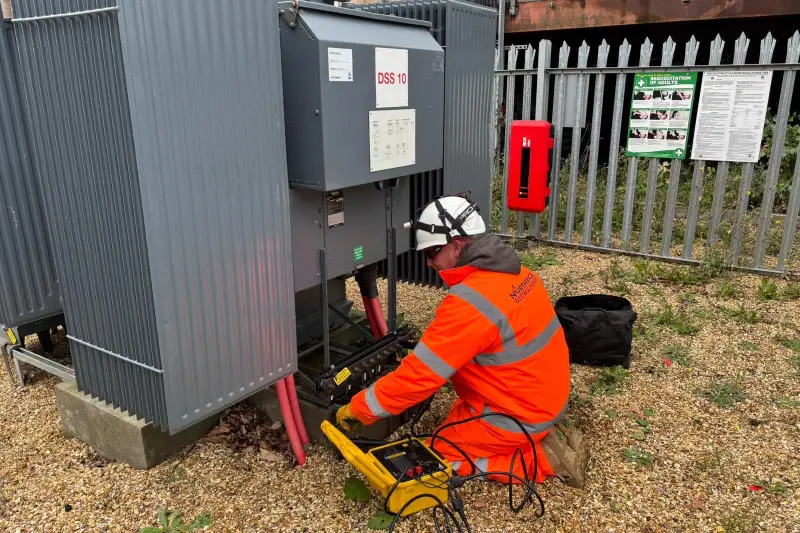
Low Resistance Testing for Electrical Connections & Conductors
We provide ductor testing services across the UK to verify the integrity of high and low voltage electrical connections. Ductor testing is essential for identifying loose, corroded or high-resistance joints before they cause overheating or faults.
What Is Ductor Testing?
Ductor testing, also known as contact resistance or micro-ohm testing, measures very low resistance across electrical paths. This helps confirm that all joints, terminations and switchgear connections are clean, tight and fit for service.
Our services cover:
- Busbar joint testing
- Circuit breaker and isolator contact testing
- Cable lug and crimp verification
- Transformer terminal resistance checks
- Earth bonding and grounding integrity
We use calibrated digital micro-ohmmeters with high-current output to ensure accurate readings.
Why It’s Important
Poor electrical connections lead to heat build-up, voltage drops and possible equipment failure. Routine ductor testing ensures your system remains efficient, safe and reliable.
Applications include:
- New installation commissioning
- Routine maintenance and inspection
- Troubleshooting and fault prevention
- Switchgear and transformer checks
We deliver clear, detailed reports with all test values and observations.
Frequently Asked Questions
What is ductor testing used for?
It is used to measure low resistance across electrical connections, helping confirm that joints are secure and do not present a fault risk.
Is it needed for new equipment?
Yes. It confirms correct installation of joints and terminations before energisation and helps prevent future issues caused by loose or contaminated contacts.
How are the results presented?
You receive a report showing resistance values, test conditions, and any recommendations based on the results.
Do you test both HV and LV systems?
Yes. We test high and low voltage switchgear, cables, panels, and grounding systems across all sectors.